
Rosé
Facts
How is Rosé wine made?
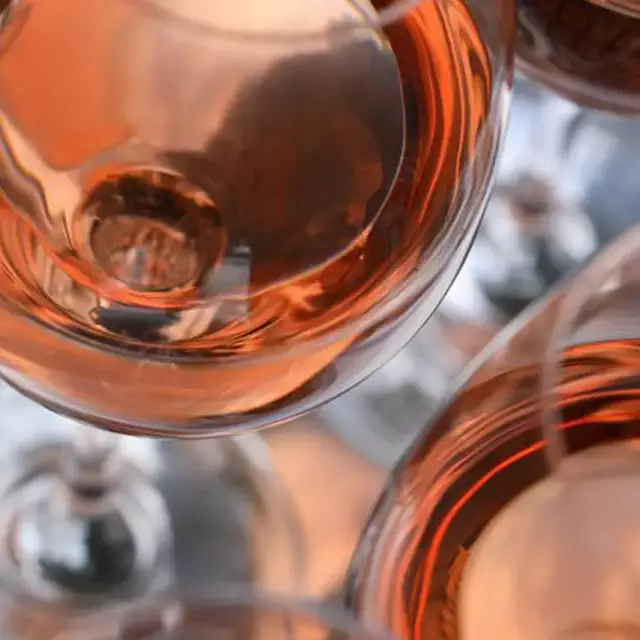
In order to create Rosé, the red grapes are only lightly pressed initially. The so-called mash resulting from this light pressing is then left to rest for a while, to give the pigments in the grape skin time to colour the juice. Once the grape juice has taken on the desired shade of pink, the mash is pressed fully and the rosé-coloured juice is fermented into wine.
But not every rosé-coloured wine is called “Rosé”. Sometimes, you’ll find the term “Weißherbst” on the label. Since Weißherbst, as opposed to rosé, is always a single variety wine, the grape variety used in its production also has to be mentioned on the label. However, the term Rosé is more recognized internationally.
Varieties
Another rosé-coloured wine you might come across is Rotling. This is a special variety of rosé wine, produced by the joint pressing and fermentation of red and white wine grapes.
The so-called “Schillerwein” is a traditional Rotling from the wine-growing region Württemberg. No particular grape varieties are stipulated to produce Schillerwein.
Rosé wines are suitable companions at any time of the year. As a rule, they are served at a drinking temperature of 9-13 degrees centigrade, but during the warm summer months you might choose to cool them down even further, since they will warm up faster in higher ambient temperatures.
Enjoyment
Rosé and Weißherbst wines and their sparkling varieties make for a delightful aperitif or a companion for starters such as tapas and antipasti. We also recommend them with selected fish and barbecue dishes. Since they are naturally low in fruit acids and tannins, many wine lovers also enjoy having them with Asian specialities such as curries or Thai food. Also try mild, semi-hard cheeses such as Edam or young Gouda with delicately fresh and dry rosé-coloured wines: perfect harmony.
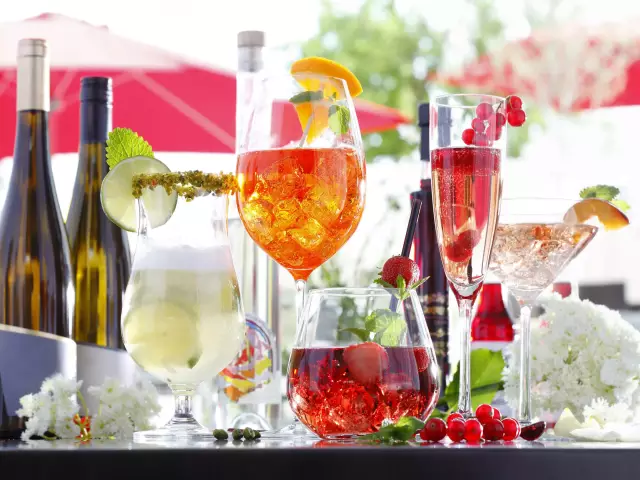
And, naturally, Rosé and Weißherbst wines are great partners for a fresh and fruity summer punch. Have a Pinot Noir Rosé together with strawberries and marvel at a combination that will not just tickle your taste buds but also please your sense of colour.
Which grape varieties make up "Badisch Rotgold" - a type of Rotling?
By definition: A "Badisch Rotgold" is composed of Pinot Gris and Pinot Noir and as the name suggests it comes from the Baden growing region.
Teaser
Events
-
Show
winetasting in our winery - cheese & wine
Mainz-Hechtsheim