
Bread & Wine
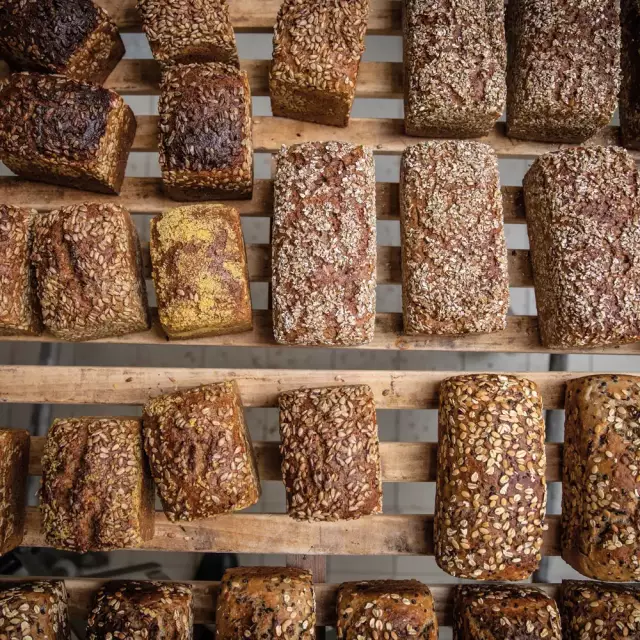
Bread and wine share a history that goes back thousands of years, as both cultural assets are based on the art of fermentation. The culinary partnership can be traced back to the Old Testament and is more relevant today than ever. Delicacies made with love and craftsmanship are experiencing a renaissance from which both bakers and winemakers can benefit.
Facts
-
25-30° C
is the optimum temperature for dough fermentation
-
15-25° C
the wine needs to ferment, depending on the type of wine
Even if you come across the combination of fresh wheat baguette and a glass of red wine time and time again: From a purely sensory point of view, a light, fruity white wine such as Silvaner, Müller-Thurgau, Riesling or Pinot Blanc goes well with a light-coloured, rather mildly roasted baguette. The fruity notes of the wine then harmonise well with the caramel and roasted aromas of the bread. The same applies to a light mixed wheat bread, whose light rye flavours go well with the fruit flavours. A strong, heavy Pinot Gris or Chardonnay, whose powerful body and melting flavours combine well with the intense rye and malt notes of the bread, can go well with stronger rye flavours in baguettes or mixed wheat bread.
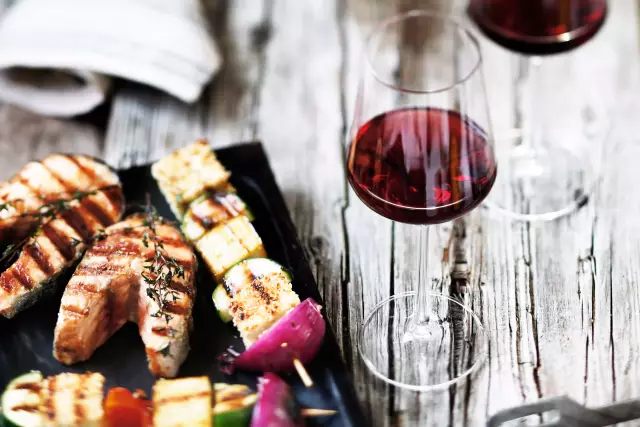
Rye and mixed rye bread, which combines strong rye and sour notes, also goes well with strong, heavy white wines such as Pinot Gris or Chardonnay, which have expressive, concentrated flavours and wood. Alternatively, a strong, heavy red wine is also an option here: Lemberger or Dornfelder with their expressive, concentrated flavours, pronounced tannins and notes of barrique combine successfully with the intense raw aromas of bread.
Oilseeds and wholemeal bread are in good hands with fruity roséwines. The berry flavours of the wine are well absorbed by the mild, nutty character of the bread. Stronger varieties of seeded or wholemeal bread with distinctly nutty and strong notes of spiced malt go well with elegant and complex red wines such as Pinot Noir. The balanced, multi-layered berry and spicy flavours of Pinot Noir, paired with a little wood and moderate tannins, combine wonderfully with the distinctly nutty taste of the bread.
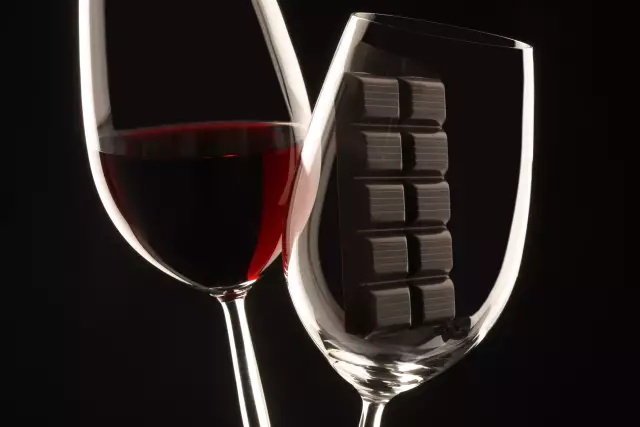
Fine baked goods, e.g. pies and cakes, harmonise well with noble wines. Fruity flavours and residual aromas of the wine pick up on the sweetness of the baked goods.
What is fermentation?
Fermentation is a natural biological process in which microorganisms such as yeasts, bacteria or moulds convert organic substances - usually sugars - into other substances. This produces gases (e.g. CO₂), acids or alcohol.
Varietals

More recipe ideas
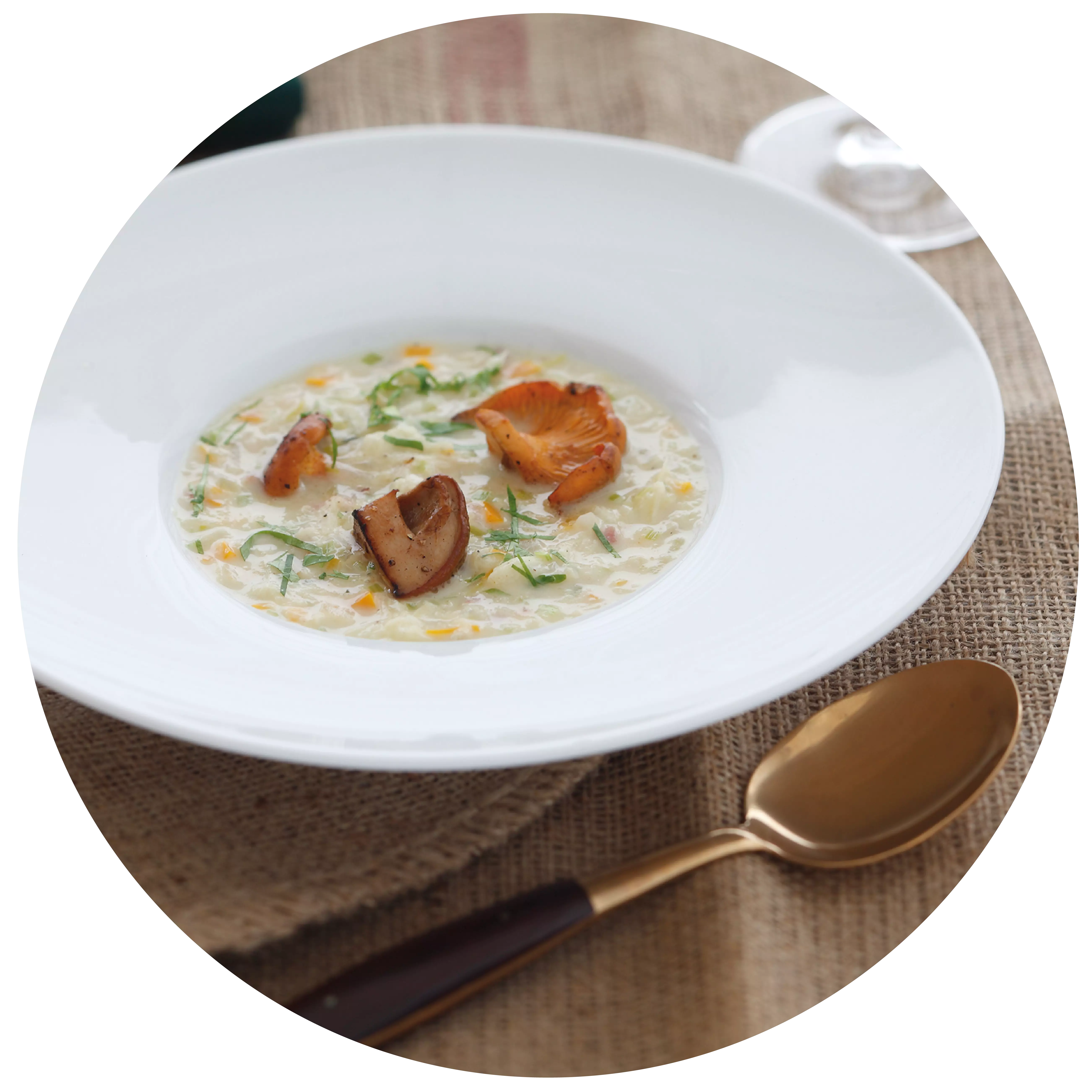
with wild mushrooms Cream of potato soup
with wild mushrooms
- 300 Gramm geschälte Kartoffeln
- 100 Gramm Wurzelgemüse
- 100 Gramm Waldpilze
- 1 ganze Zwiebel
- 1 ganze Knoblauchzehe
- 30 Gramm Speckwürfel
- 40 Gramm Margarine
- 750 ml Brühe
- 200 ml Sahne
- 1 Zweig Thymian
- nach Belieben Petersilie, Butter, Salz, Pfeffer, Muskat
Clean, wash and finely dice the root vegetables. Finely dice the onion and garlic clove and finely chop the thyme. Sauté the diced bacon with the margarine in a pan until lightly browned, add the diced onion, garlic, root vegetables and thyme. Sauté, add the stock and cook for 2 minutes.
Finely grate the potatoes, add to the soup and cook for a further 5 minutes, add the cream, season and flavour. Clean, wash and chop the mushrooms and sauté in a pan with butter. Season with salt and pepper, sprinkle with chopped parsley and pour over the soup when serving.
- Riesling (trocken)
- Riesling (halbtrocken & feinherb)
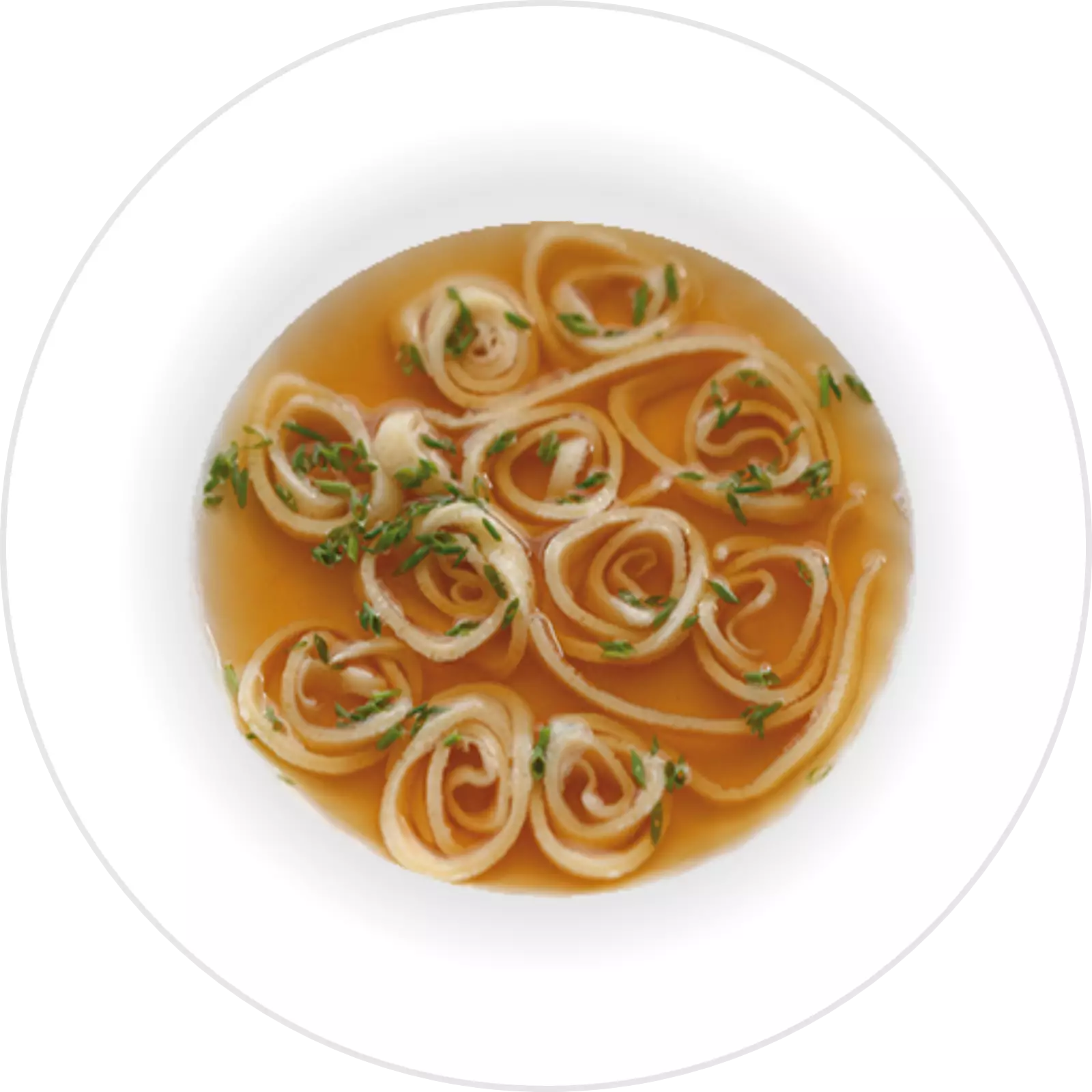
with semi-dry wines Flädlesuppe
with semi-dry wines
- 1 Bund Schnittlauch
- 1 Liter Fleischbrühe
- 150 Gramm Weizenmehl
- 300 ml Milch
- nach Belieben Speckschwarte zum ausreiben der Pflanne
- Etwas Salz
Make a smooth, not too thick batter from the flour, milk, eggs and a pinch of salt. Heat a heavy frying pan on a high heat, rub with bacon fat, pour in a small dollop of batter, allow to spread and fry thin pancakes (flädle).
<p
Leave the pancakes to cool, halve and cut into thin strips.
Place in clear, very hot meat stock and serve immediately.
<p- Trollinger (halbtrocken & feinherb)
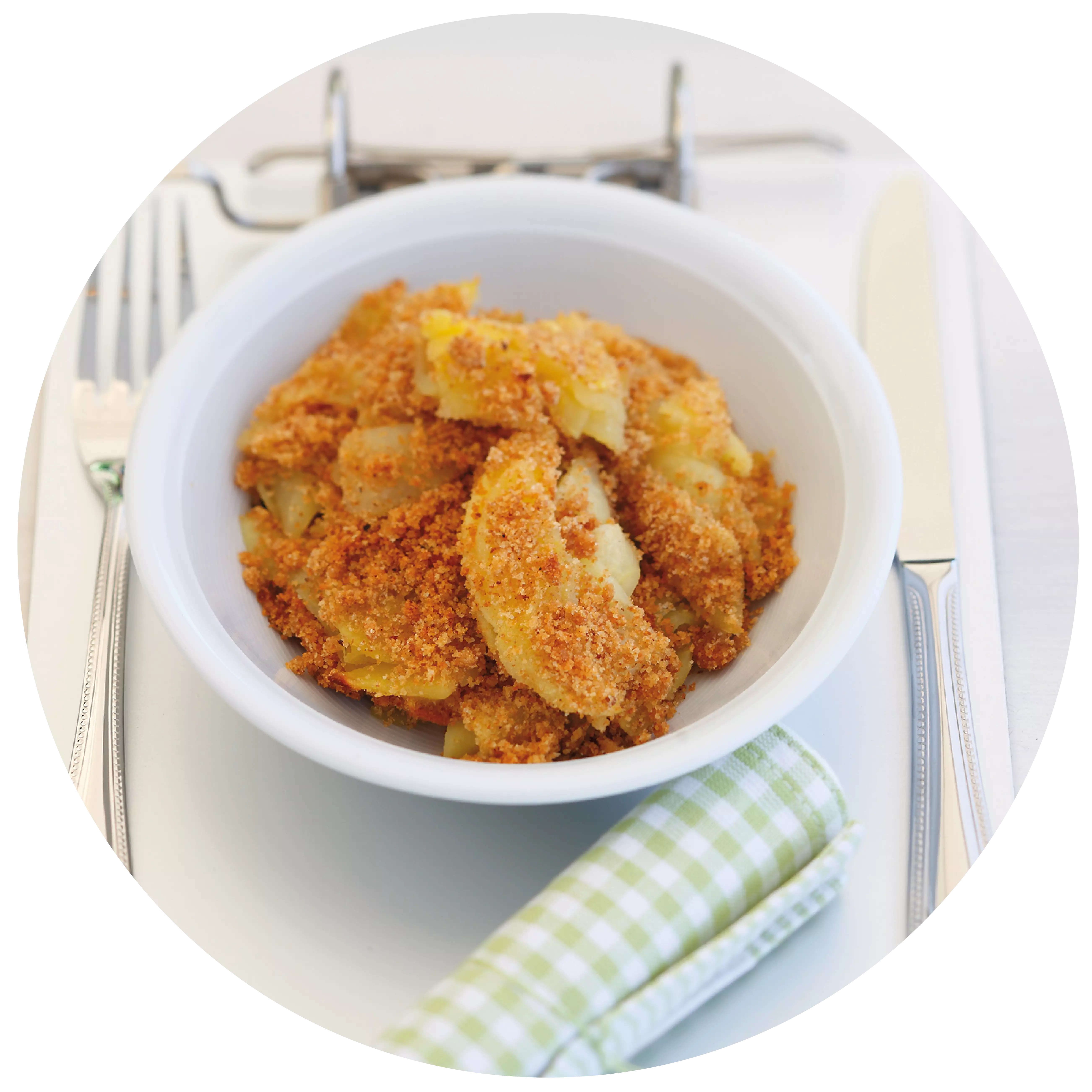
with cinnamon and sugar Odenwald apple soufflé
with cinnamon and sugar
- 1 kg Äpfel
- 250 Gramm Semmelbrösel
- 125 Gramm Zucker
- 2 EL Butter
- 1/2 TL Zimt
- 1 Msp. gemahlene Nelken
- 50 Gramm Rosinen
- 100 ml trockener Weißwein
- 1 EL Rum
- zum Bestreuen Zimt & Zucker
Sauté the breadcrumbs, butter, spices and 2 tbsp sugar in a pan. Peel the apples and cut into slices. Sauté in white wine with rum and sugar until the liquid has almost evaporated.
<p
Fill the greased springform tin alternately with the breadcrumb mixture and apples (bottom and top layer of breadcrumb mixture).
Bake for one ½ hour at 140 °C. Sprinkle with cinnamon and sugar.
- Riesling (lieblich)
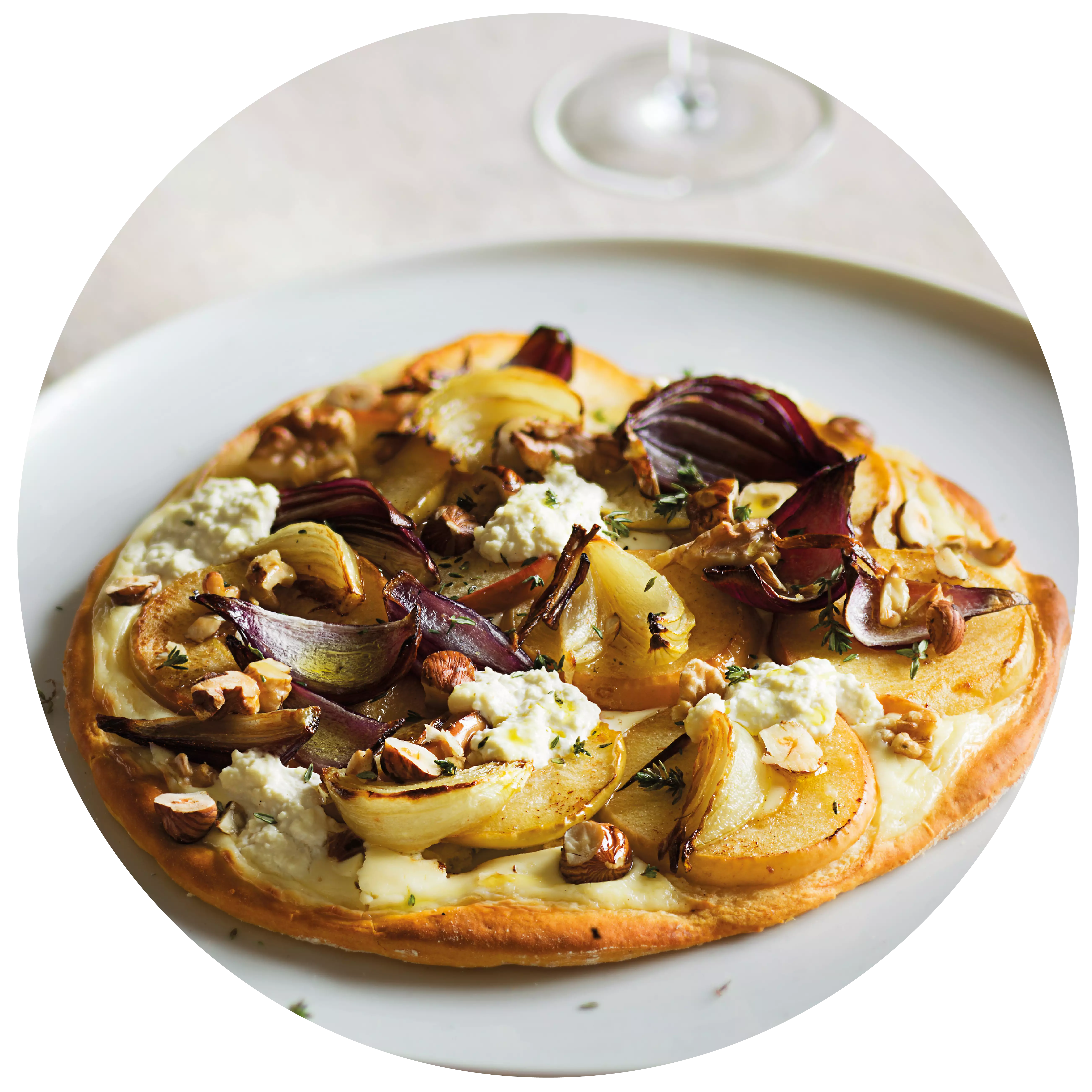
with apples and nuts Tarte flambée
with apples and nuts
- 250 Gramm Weizen- oder Dinkelmehl
- 150 Gramm Crème fraîche
- 150 Gramm körniger Frischkäse
- 2 säuerliche Äpfel
- 1 - 2 Zwiebeln
- 30 Gramm Walnüsse oder Haselnüsse
- 15 Gramm Hefe
- 1 EL Zucker
- 2 EL Olivenöl
- 2 Zweige frischer Thymian
- Nach Bedarf Salz & Pfeffer
- 200 ml warmes Wasser
For the yeast dough, sieve the flour into a bowl and make a well in it. Dissolve the yeast in a little warm water and pour into the well. Cover the bowl with a cloth and leave to rise for 10 minutes. Then knead the pre-dough with the dough hook of a hand mixer and gradually work in the warm water, the oil and a teaspoon of salt. Leave the kneaded dough to rise until it has doubled in volume (approx. half an hour, in a warm place).
Cut the onions into wedges. Roughly chop the nuts. Core the apples, cut into slices (the thicker the apple slices, the juicier the tarte flambée) and sprinkle with the sugar.
<p
After resting, divide the dough and roll out each half on a baking tray lined with baking paper. Preheat the oven to 220 °C (top and bottom heat)
Spread the crème fraîche evenly over the tarte flambée and top with the apple slices and onion wedges. Spread the fresh cheese on top and sprinkle with the walnuts. Sprinkle with a little salt and pepper.
Bake on the lowest shelf for 12-15 minutes and sprinkle with the fresh thyme before serving.
- Riesling (halbtrocken & feinherb)
- Riesling (lieblich)